Our History
GAMEC traces its roots back to a group of visionary individuals who recognized the need for a unified platform to foster solidarity among Eritrean Muslims living in different countries. Their shared commitment to Islamic values, cultural heritage, and social responsibility laid the foundation for what would soon become a dynamic and inclusive association.
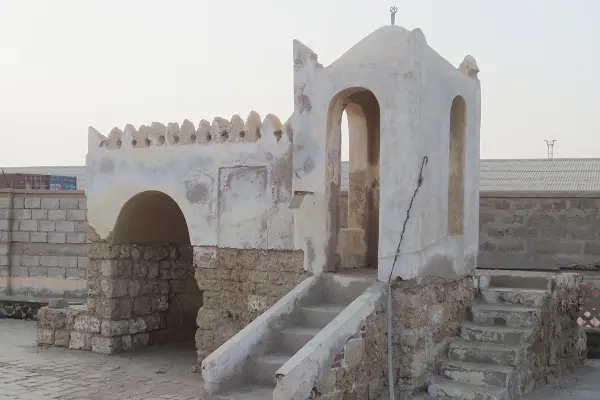
Masjid As-Sahaba — The Mosque of the Companions
Standing on the shores of Massawa, Eritrea, Masjid As-Sahaba is one of the oldest mosques in Africa and among the earliest in the entire Islamic world. Built in the 7th century during the lifetime of Prophet Muhammad (peace be upon him), it marks the site where the first Muslim emigrants sought refuge from persecution in Mecca.
The First Hijra
In 615 CE, years before the famous migration to Medina, the Prophet (peace be upon him) instructed a group of his followers to seek protection in the Kingdom of Aksum (ancient Abyssinia, encompassing modern-day Eritrea and Ethiopia). He told them: "If you go to the land of Abyssinia, you will find a king under whom no one is persecuted. It is a land of truthfulness."
This first group of emigrants — including Uthman ibn Affan, Ruqayyah bint Muhammad, and Ja'far ibn Abi Talib — crossed the Red Sea and landed at the port of Massawa. They were among the closest Companions (Sahaba) of the Prophet, and their arrival on Eritrean soil represents one of the earliest chapters of Islam outside the Arabian Peninsula.
A King's Protection
The Aksumite ruler, known as the Negus (An-Najashi), welcomed the Muslim refugees and granted them asylum despite pressure from the Quraysh of Mecca to return them. When Ja'far ibn Abi Talib recited verses from Surah Maryam describing the story of the Virgin Mary and Prophet Isa (Jesus), the Negus wept and declared he would never hand them over. This act of justice and interfaith respect is deeply honored in Islamic tradition.
Legacy and Significance
Masjid As-Sahaba stands as a living testament to this history. For Eritrean Muslims, it is a source of profound pride — a reminder that their homeland played a pivotal role in the survival and spread of Islam during its most vulnerable years. The mosque has been rebuilt and restored over the centuries, but its spiritual significance remains unchanged.
This heritage is central to GAMEC's identity. The same spirit of solidarity, refuge, and community that brought the Sahaba to Eritrean shores over 1,400 years ago continues to inspire our mission of uniting Muslim Eritreans across the globe.